I'm Leah Behr, a REALTOR® with the Behr & Behr Team in Colorado Springs, and Black Forest is the part of El Paso County people either fall for immediately or rule out in an afternoon. Acreage living has real costs that do not show up in the listing price.
If you dream about tall pines, quiet nights, and room for horses or a workshop, Black Forest delivers a rare Colorado mix of privacy and convenience. You get the space of rural living with access to Colorado Springs jobs, shopping, and services. In this guide, you’ll learn how acreage living works here: zoning and lot sizes, wells and septic, wildfire realities, and day-to-day tradeoffs so you can buy with confidence.
Black Forest lifestyle snapshot
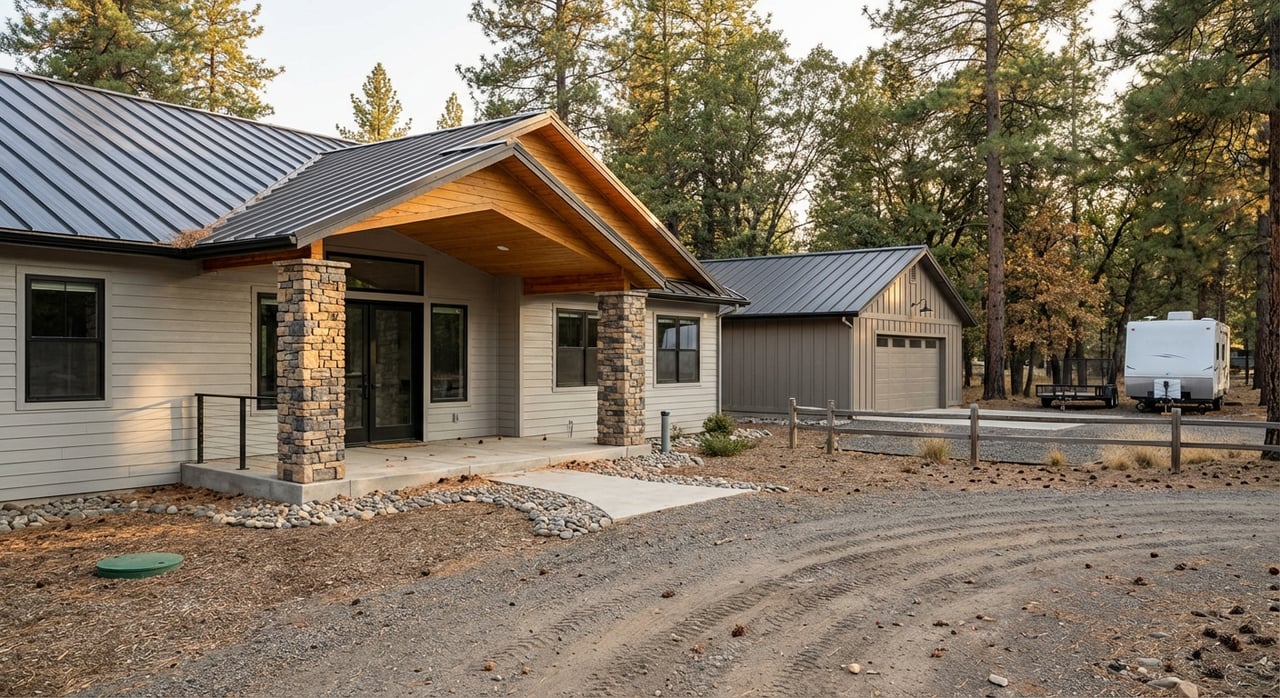
Black Forest sits northeast of Colorado Springs and blends forested parcels with open meadows. Many homes sit back from the road with long driveways, outbuildings, and natural vegetation. You can find a quiet, private feel while staying within a practical drive of daily needs. Exact commute times depend on where you buy and your route.
You’ll see everything from hobby farms to custom homes tucked among the trees. Buyers often want space for animals or toys, a barn or workshop, and the freedom to shape their land within local rules.
Lot sizes and zoning basics
You’ll find a wide range of parcel sizes in Black Forest. Historic filings created a patchwork of lots from under 2.5 acres to 5–10 acre ranchettes and a few very large holdings. A county history shows 5-acre lots are common but not universal, and older, smaller legal lots appear in pockets of the area. You can explore these patterns in the local plan’s chapter on historical parcel patterns.
Most acreage neighborhoods use El Paso County’s rural residential zoning. Labels like RR-5 and RR-2.5 reflect minimum lot sizes of about 5 acres or 2.5 acres and expect a rural level of services such as private wells and septic. The County’s code frames this as a 2.5 to 10 acre placetype, but every subdivision is unique. Review El Paso County rural residential zoning and the specific covenants for the property you’re considering.
Horses, outbuildings, and RVs
Many rural residential parcels allow horses and small-scale agricultural uses, but actual limits vary by subdivision covenants and site conditions. Always review CC&Rs and confirm water capacity before you plan for grazing or a larger herd.
Accessory buildings like barns, shops, and oversized garages are common on acreage. Permanent structures require permits through the Pikes Peak Regional Building Department. Setbacks, height limits, and well or septic clearances will shape where you can build.
If you plan to use an RV during construction, ask early about temporary use rules, required hookups, and any HOA restrictions. Rules differ by zoning, septic status, and covenants.
Water: wells, permits, and testing
Most Black Forest homes rely on private wells rather than city water. The State Engineer’s office issues well permits, and the exact permit on a parcel controls what you can do. Household-only permits typically do not allow lawn irrigation or livestock watering. If you need outdoor water, you must confirm the permitted uses and volume with the state.
Colorado’s Division of Water Resources applies Denver Basin rules to parts of Black Forest. Pump rates for small domestic wells are often capped near 15 gallons per minute for wells drilled after 1971, and annual volumes or uses may be limited by permit terms. Start with the Colorado Division of Water Resources guidance and pull the specific well permit and well log for the property.
Before closing, run water quality tests. Real estate well tests commonly include bacteriological and inorganic panels. You can arrange this through El Paso County Public Health water testing, or through a certified private lab. Ask the seller for service history, pump age, and any treatment equipment.
Septic systems and buildability
Acreage homes in Black Forest usually use on-site wastewater treatment systems. El Paso County Public Health oversees permitting, site evaluations, and repairs. Conventional systems typically need a multi-week permit window. If soils are poor, you may need an engineered system, which costs more and affects timelines.
As a buyer, request the existing septic permit, as-built drawings, and soils or percolation data. If records are missing or the system is unpermitted, plan for a new site evaluation and design. Learn the current process through the El Paso County OWTS program.
Wildfire risk and mitigation
The 2013 Black Forest Fire burned more than 14,000 acres and destroyed hundreds of homes. That event reshaped local expectations for defensible space, home hardening, and insurance.
Use the Colorado State Forest Service’s Home Ignition Zone model to guide your plan. Create and maintain defensible space from 0 to 100 feet, trim and thin ladder fuels, and harden the home with ember-resistant vents and Class A roofing. The Colorado State Forest Service Home Ignition Zone guide is your reference for step-by-step actions.
Because many areas lack hydrants, the county and local fire districts often require or strongly recommend on-site water for fire suppression in new filings. County case reviews show that county development reviews often require cisterns when no municipal supply exists. Ask which fire district serves the property, whether hydrants or cisterns are nearby, and how that may affect insurance and response.
Utilities, roads, and daily logistics
Electricity in Black Forest is commonly provided by a cooperative utility. Expect overhead lines along roads and periodic outages during storms. Many acreage owners choose backup power solutions for peace of mind.
Natural gas is not universal on rural parcels. Some neighborhoods offer gas service, but many homes use propane or all-electric systems. Confirm fuel type and current tank ownership before you buy.
Roads range from paved county arterials to gravel lanes. Some are county-maintained and others are private with HOA or shared-road agreements. Ask who maintains your road and your driveway, how snow removal works, and whether easements are recorded.
Trash service is typically handled by private haulers. Mail and package delivery varies by location, and you may rely on cluster boxes or a nearby post office. Grocery runs and specialty shopping often become a once-a-week plan, with closer convenience stops for quick errands.
School district assignment depends on the exact parcel address and may fall within Academy District 20, Falcon District 49, or Lewis-Palmer District 38. Verify assignment with the district before making decisions related to enrollment.
Day-to-day tradeoffs to plan for
- Maintenance: Acreage living involves steady work. You will budget for tree thinning, slash removal, pasture or fence care, driveway snow removal, and periodic septic pumping.
- Commute and errands: You trade a short drive for space and privacy. Depending on where you live, plan for 20 to 40 minutes to many Colorado Springs destinations and longer for Denver.
- Insurance and risk: Wildfire exposure can affect coverage options and premiums. Early conversations with your insurer help you understand requirements and potential discounts for mitigation.
- Project timelines: New wells, septic systems, and permitted outbuildings add cost and time. Factor state well permits, county OWTS approvals, and building plan reviews into your schedule.
Buyer due diligence checklist
Use this quick list to structure your offer contingencies and pre-close tasks:
- Zoning and lot size: Confirm parcel zoning (RR-5, RR-2.5, etc.) and any special district overlays. Verify any HOA rules that add limits beyond zoning. Reference El Paso County rural residential zoning.
- Well permit and uses: Pull the state well permit and well log. Confirm allowed uses, pumping rate, and whether outdoor irrigation or livestock watering is permitted. Start at the Colorado Division of Water Resources guidance.
- Water quality: Order bacteriological and inorganic water tests and ask for pump and treatment history. See El Paso County Public Health water testing.
- Septic records: Obtain the OWTS permit, as-built, and soils/percolation data. If missing, plan a site evaluation and design. Review the El Paso County OWTS program.
- Fire and insurance: Identify the fire protection district, confirm hydrants or cisterns, and ask about mitigation expectations. Get preliminary insurance quotes that account for wildfire risk.
- Access and maintenance: Clarify who maintains the road and driveway, how snow removal works, and whether gates or easements affect access.
- Structures and RVs: Check CC&Rs for animal limits and outbuilding rules. Confirm permits with the Pikes Peak Regional Building Department.
Your next step
If Black Forest sounds like your ideal mix of trees, privacy, and room to grow, the right plan will make your move smooth. Our team pairs local know-how with calm, clear guidance through wells, septic, zoning, and wildfire questions so you can buy with confidence. When you are ready to tour properties or want a second opinion on a parcel, reach out to Behr and Behr for trusted, relationship-first help.
FAQs
What lot sizes are common in Black Forest, CO?
- You’ll see everything from under 2.5 acres to 5–10 acre parcels and a few very large holdings, with 5-acre lots common but not universal; always confirm parcel zoning and any HOA covenants before you decide.
How do private wells work for Black Forest homes?
- Most homes use private wells with state-issued permits that control uses and volume; verify the well permit and well log, and order water quality tests so you know exactly what your system allows and how it performs.
What should I know about septic systems in El Paso County?
- Septic systems require county permits, soils data, and an approved design, and timelines can extend if you need an engineered system; request the permit file and as-built drawings early to avoid surprises.
Can I keep horses or build a shop on Black Forest acreage?
- Rural residential zoning often allows horses and accessory buildings, but CC&Rs can add limits and permanent structures require building permits, so review covenants and check with the building department before you plan.
How serious is wildfire risk in Black Forest, and how can I prepare?
- The area experienced a major wildfire in 2013, so plan for defensible space and home hardening and ask your insurer about requirements and discounts tied to mitigation steps.
What daily services should I expect on rural parcels in Black Forest?
- Expect co-op electric service, propane or all-electric heating in many areas, a mix of paved and gravel roads with county or private maintenance, private trash haulers, and variable mail delivery, so confirm each item for the specific address.
Leah Behr is a licensed REALTOR® with the Behr & Behr Team in Colorado Springs. She sells acreage property in Black Forest and can walk you through well, septic and wildfire mitigation before you write an offer. Get in touch with our team.