I'm Leah Behr, a REALTOR® with the Behr & Behr Team in Colorado Springs, and building in Black Forest is a different exercise from building anywhere else in El Paso County. Well, septic and wildfire mitigation drive the timeline more than the floor plan does.
Thinking about building or remodeling a custom home in Black Forest? It is easy to picture the finished product first: the views, the trees, the shop or barn, the patio, and the quiet feel of acreage living. But in Black Forest, the land itself often makes the biggest decisions, from wildfire planning to wells, septic, drainage, and access. If you understand those factors early, you can make smarter choices, avoid costly surprises, and create a home that lives well now and holds value later.
Why Black Forest Is Different
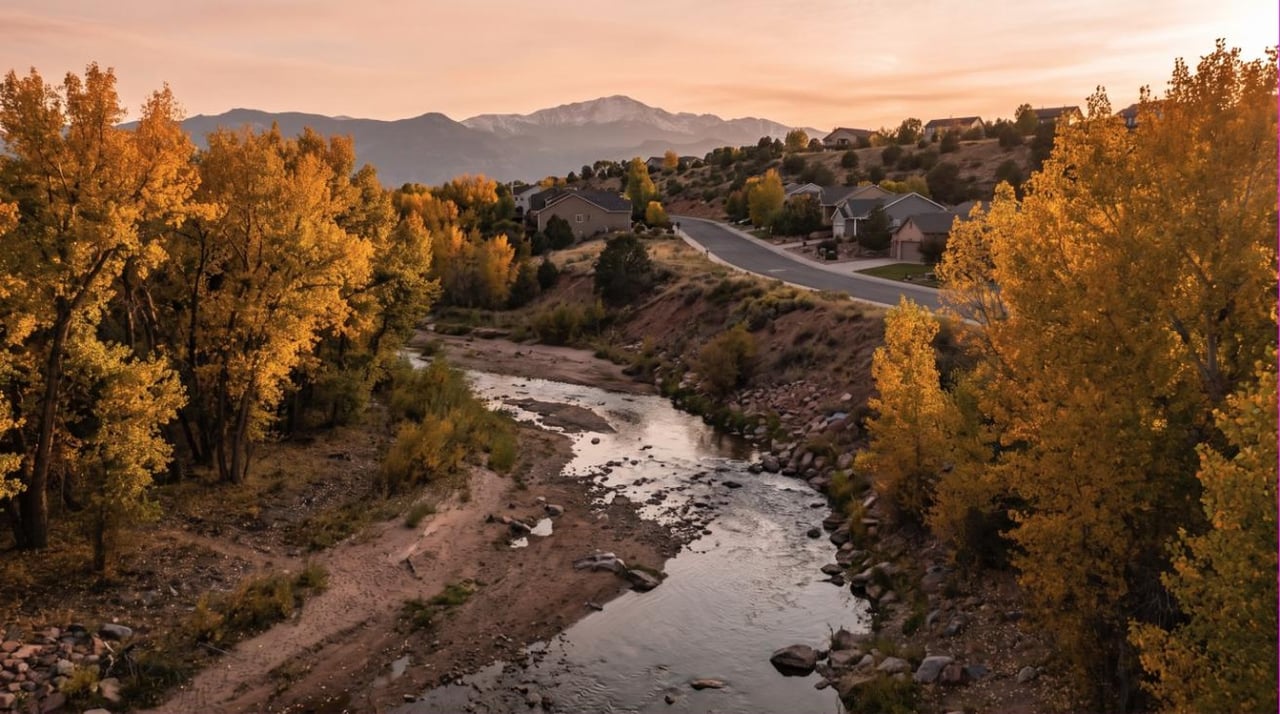
Black Forest is not a standard subdivision market where one lot works much like the next. El Paso County describes the area as a mosaic of woodlands and forest dominated by ponderosa pine, along with meadows and other natural features.
The county also identifies Black Forest as a high wildfire hazard area. That means your design decisions should respond to the parcel itself, including tree cover, slope, fuel load, and access, rather than follow a generic plan built for a different setting.
Let the Parcel Lead
In Black Forest, a strong custom-home strategy starts with site due diligence. Before you focus on finishes or square footage, make sure you understand how the lot functions.
The most important early questions usually involve water, wastewater, drainage, and build access. On acreage properties, those items can affect cost, timing, and even the basic layout of the home and outbuildings.
Check Water Service Early
Some Black Forest properties rely on private wells rather than a municipal water system. In Colorado, every new well needs a permit, and the Colorado Division of Water Resources says complete well-permit applications can take up to 49 days to review.
That timeline matters if you are trying to line up design, financing, and construction. A lot that looks ideal on paper may have a more complicated path once you factor in water approvals.
Confirm Septic Requirements
Many acreage sites are also served by an onsite wastewater treatment system, or OWTS. El Paso County Public Health regulates these systems on properties not served by municipal wastewater systems.
The county notes that OWTS permit applications must be submitted by a licensed OWTS installer. If you are comparing lots or planning a major remodel, it helps to know early whether septic requirements may shape placement, cost, or schedule.
Review Drainage and Stormwater Needs
Stormwater review can be another major factor. El Paso County lists drainage and erosion-control documentation requirements for new residential construction.
In practical terms, that means grading, runoff, and disturbed soil are not details to figure out later. They should be part of your planning from the beginning, especially on larger or more complex sites.
Site the Home With Purpose
A good Black Forest home should fit the land, not fight it. That includes how you place the house for sunlight, privacy, views, tree preservation, and wildfire planning.
The U.S. Department of Energy says passive solar design can reduce heating and cooling loads by using the site and climate well. It recommends placing south-facing glass within 30 degrees of true south and keeping it unshaded during the heating season.
Balance Sun With Trees and Space
That guidance can be useful, but Black Forest usually calls for a balanced approach. The best orientation is often the one that works with the parcel’s tree pattern, privacy needs, and defensible-space goals.
If a lot runs deep from north to south, solar access may be easier to preserve. Still, the final layout should reflect the actual conditions on the property, not a one-size-fits-all suburban template.
Plan for Wildfire From Day One
Wildfire planning should not be treated as a final checklist item. In Black Forest, it belongs in the design conversation from the very start.
Colorado State Forest Service recommends creating defensible-space zones around every building on the property. That includes the main home, detached garages, barns, storage buildings, and similar structures.
Defensible Space Includes Outbuildings
This point matters more than many owners expect. If you are planning a detached garage, workshop, barn, or guest-style accessory structure, it should be considered part of the overall wildfire strategy, not a separate project.
Spacing, vegetation management, and material choices work best when they are coordinated across the whole property. That approach can also help your site feel more intentional and usable.
Choose Durable Exterior Features
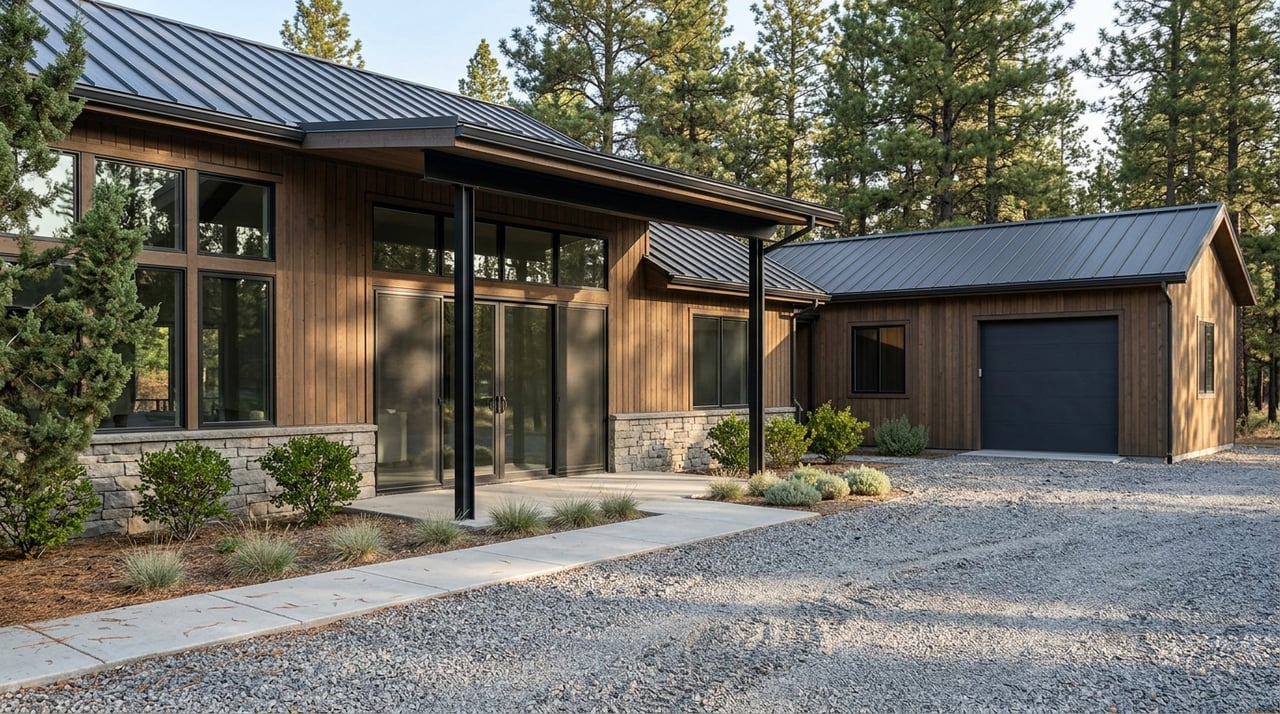
Colorado State Forest Service also points to design-phase protections such as Class A roofing, screened vents, tempered glass, and reducing combustible materials close to the house. These are practical decisions that can support long-term durability in a wildfire-prone setting.
For many owners, this is where smart design and peace of mind come together. A home can still feel warm, custom, and connected to the land while using materials and details that are better suited to the environment.
Know the Rules for Outbuildings
Outbuildings are a big part of acreage living in Black Forest. Whether you want a detached garage, workshop, barn, or storage building, it is worth checking permit and zoning requirements before you finalize the footprint.
According to Pikes Peak Regional Building Department, detached accessory structures over 200 square feet generally require permits. Structures up to 200 square feet generally do not, although zoning and floodplain review may still apply.
Size and Use Matter
El Paso County Planning also points builders to forms related to decks, sheds, additions, and certain accessory-building exemptions. There are also forms tied to A-35 parcels, including accessory-building exemptions and a farm or ranch residence form for qualifying parcels of at least 35 acres.
The takeaway is simple: do not assume an outbuilding is a minor add-on. In Black Forest, use, size, and zoning can all shape what is possible.
Remodels Often Need More Review
If you are remodeling instead of building from scratch, the approval process can still be more involved than expected. Many homeowners are surprised to learn that common outdoor upgrades may require permits or formal review.
PPRBD’s permit list includes decks, hot tubs, pools, porch or patio enclosures and covers, deck enclosures, and retaining walls over 4 feet. If your remodel changes how the home meets the site, those details should be planned carefully.
Outdoor Living Should Feel Intentional
In Black Forest, outdoor spaces often add real enjoyment to daily life. Patios, decks, covered seating areas, and outdoor kitchens can make the property feel more complete when they are scaled well and easy to maintain.
National remodeling data also points to strong owner satisfaction and solid cost recovery for several outdoor projects, including landscape maintenance, overall landscape upgrades, outdoor kitchens, patios, and wood decks. For resale, the best projects are usually the ones that feel durable, functional, and naturally connected to the house.
Expect a Multi-Step Timeline
One of the biggest mistakes in custom-home planning is assuming permits are a single stop. In reality, Black Forest projects often move through a layered preconstruction process.
PPRBD notes that most new construction and many remodels require plan review before permit issuance. It also notes that some permits require inspections by outside agencies such as zoning, fire, engineering, health, or utilities.
Build Extra Time Into Early Planning
When you add well permitting, septic review, and stormwater documentation, the schedule can stretch before construction even begins. This is one reason early due diligence matters so much on acreage properties.
A realistic timeline can reduce stress and help you make better budgeting decisions. It can also keep the project aligned with seasonal goals, builder availability, and long-term plans for the property.
Prioritize Livability and Resale
A custom home should reflect how you want to live, but it should also make sense for the market over time. In Black Forest, that often means focusing on durable materials, flexible spaces, strong drainage, and outdoor areas that are appealing without feeling overly customized.
National remodeling research suggests buyers are less willing to compromise on condition, while many owners say remodeling improved functionality, livability, and their enjoyment of the home. That lines up well with what tends to matter on acreage properties: a home that works well, holds up well, and feels easy to care for.
Features That Often Age Well
If you are building or remodeling with future resale in mind, focus on choices that are broadly useful. Examples include:
- Durable roofing and exterior materials
- Functional kitchens and updated primary suites
- Flexible rooms for work, guests, or hobbies
- Well-planned site drainage
- Outdoor living areas that are comfortable and manageable
- Outbuildings that fit the parcel and support everyday use
These choices may not be the flashiest ones on day one, but they often support both daily comfort and long-term value.
A Smart Black Forest Approach
The strongest strategy in Black Forest is usually the simplest one: let the land guide the plan. Choose or evaluate the parcel based on water, drainage, wildfire exposure, access, and sun orientation first, then shape the home and improvements around those realities.
That approach can help you avoid forcing a design onto a lot that does not support it well. It can also lead to a home that feels more natural, more durable, and better suited to Black Forest living.
If you are weighing a lot purchase, planning a custom build, or deciding whether a remodel makes sense, local guidance can make the process much clearer. The Behr and Behr Team can help you evaluate property potential, marketability, and next steps with the perspective of a team that knows the Pikes Peak region well.
FAQs
What should you check before buying land in Black Forest for a custom home?
- Start with water source, well-permit needs, septic or OWTS requirements, drainage and stormwater considerations, wildfire exposure, tree cover, slope, and site access.
Do custom homes in Black Forest usually need a well and septic system?
- Some properties do, especially those not served by municipal systems, so you should verify well and OWTS requirements for the specific parcel before moving forward.
How does wildfire planning affect a Black Forest home design?
- Wildfire planning can influence building placement, spacing between structures, vegetation management, and material choices such as roofing, vents, and glass.
Do outbuildings in Black Forest require permits?
- Detached accessory structures over 200 square feet generally require permits, and smaller structures may still need zoning or floodplain review.
Can a Black Forest remodel require permits for outdoor upgrades?
- Yes, projects like decks, hot tubs, pools, enclosures, covers, and retaining walls over 4 feet may require permits or review.
Why does the preconstruction phase take time in Black Forest?
- Many projects involve layered approvals, including plan review, possible outside-agency inspections, well permitting, septic review, and stormwater documentation.
Leah Behr is a licensed REALTOR® with the Behr & Behr Team in Colorado Springs. She works with buyers and owners on acreage properties in Black Forest and the surrounding unincorporated county. Get in touch with our team.