I'm Leah Behr, a REALTOR® with the Behr & Behr Team in Colorado Springs, and downtown condos and townhomes are the piece of this market people understand least. The HOA documents matter more here than the finishes do.
If you want more walkability, less exterior upkeep, and easy access to restaurants, events, and trails, downtown Colorado Springs deserves a close look. For many buyers, condo and townhome living here is less about fitting into one housing label and more about finding the right attached home for the way you actually live. From parking and amenities to HOA dues and day-to-day mobility, there are a few details that matter more downtown than they might in other parts of the city.
Downtown Living Is Growing
Downtown Colorado Springs has grown well beyond its traditional role as a business district. According to Downtown Partnership, the one-square-mile downtown area has more than 2,000 residential units currently open, with another 1,000-plus expected by the end of 2026.
Its 2026 State of Downtown report also notes more than 3,000 multifamily residential units available, 51 units under construction, and more than 1,500 units announced in the pipeline. The City of Colorado Springs is also updating the 2016 Downtown Master Plan to reflect the major growth of the last decade and changing market conditions.
That matters if you are exploring condo and townhome living downtown. The area is best understood as a broader attached urban housing market, with a mix of lofts, mixed-use residences, apartments, live-work housing, and some townhome-style options rather than one clearly defined condo-only or townhome-only district.
Why Buyers Choose Downtown
A big reason buyers consider downtown is lifestyle. Downtown Partnership describes the area as a walkable, social environment with access to nightlife and trail systems, all packed into one square mile.
Downtown also offers a dense mix of places to go and things to do. The district includes more than 140 restaurants, bars, breweries, and coffee shops, along with 65-plus shops and galleries. Its broader directory lists more than 180 independent shops, restaurants, and services.
The appeal is not just dining. Downtown Colorado Springs has a strong arts and entertainment identity, with First Friday events, public art, galleries, and a state-certified Creative District presence that adds energy throughout the year.
Major destinations also help shape daily life here. Downtown Partnership highlights places like the U.S. Olympic & Paralympic Museum, Weidner Field, and Ed Robson Arena, while downtown is also connected to more than 180 acres of urban parks.
Walkability Goes Beyond Restaurants
When people picture downtown living, they often focus on being able to walk to dinner or coffee. That is part of the story, but it is not the whole story.
Downtown living can also mean easier access to community events, public spaces, and trail connections. Acacia Park and other urban parks add breathing room to the city core, while nearby access points like South Shooks Run Park and the Pikes Peak Greenway can support a more active routine.
If you value being able to step outside and have options, this part of Colorado Springs stands out. You can combine errands, social plans, and outdoor time in ways that feel harder to replicate in more spread-out areas.
What Attached Housing Looks Like Downtown
One of the most important things to know is that downtown housing comes in different forms. Public downtown residential information highlights a mix of newer mixed-use communities, loft-style buildings, affordable and live-work housing, and age-qualified options.
Examples on the downtown living pages include 333 ECO, The Mae on Cascade, Experience at Epicenter, Dorian, Artspace, and Village at New South End. Some buildings lean more toward a modern amenity-rich experience, while others offer a more compact or creative urban format.
That means your search should stay focused on fit, not just labels. Two attached homes with similar square footage can feel very different depending on the building, parking setup, storage options, and access to shared spaces.
Amenities Can Shape Daily Life
In downtown attached housing, amenities often have a real effect on convenience and monthly cost. Buyers are often comparing amenity packages just as much as they are comparing floor plans.
Common features on downtown residential pages include:
- Rooftop decks
- Year-round pools and spas
- Fitness studios
- Club lounges
- Coworking or conference space
- Concierge service
- On-site maintenance
- Secure entry
- Garage parking
- EV charging
- Bike storage
- Pet wash stations
- Indoor dog runs
- Balconies
- Mountain or city views
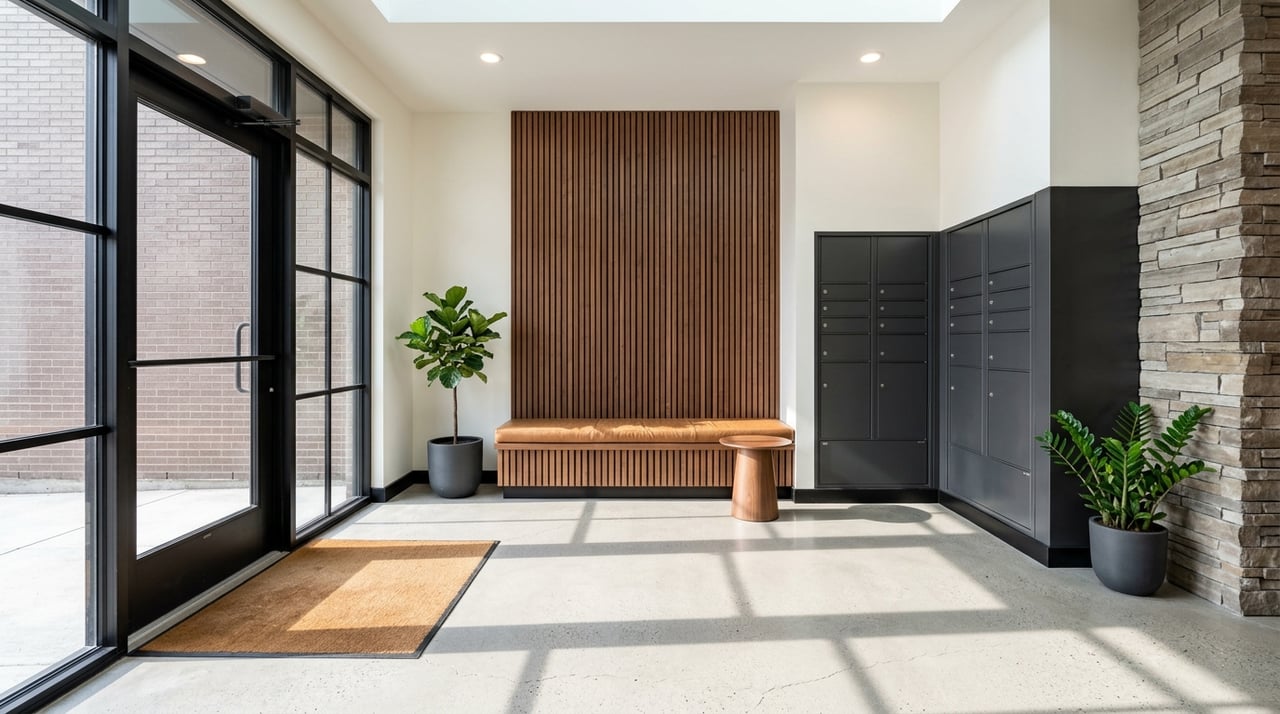
For example, 333 ECO highlights concierge service, on-site maintenance, secure garage parking, bike storage, pet wash space, fire pits, patios, and outdoor kitchens. The Mae on Cascade adds a pool, hot tub, fitness and yoga spaces, a coffee bar, EV charging, secure entry, and club-style gathering spaces.
Plaza at Pikes Peak emphasizes direct garage access from every floor, a rooftop, a pool and spa, an 8,000-plus square foot fitness center, a dog run, and charging stations. Village at New South End offers optional private garages, covered parking, and storage units, while Artspace includes a rooftop deck and flexible outdoor areas.
Parking Matters More Than You Think
Parking is a practical part of downtown ownership that should never be treated as an afterthought. Before you fall in love with a unit, you will want a clear answer on whether parking is included, assigned, deeded, leased separately, or limited.
Downtown Partnership says the area includes about 2,200 on-street meters, 2,450 spaces in three municipal garages, and roughly 4,500 additional private spaces. It also notes that city-operated garages are convenient, sheltered, and often less expensive than meters.
That is helpful for guests and for buildings without the same level of on-site parking. Downtown parking options also include accessible spaces, bike lockers, bicycle parking, EV charging at the Nevada/Colorado garage, Tesla Superchargers at the Bijou/Cascade garage, and oversized-vehicle lots.
For everyday living, the key question is simple: how easy is it for you and your guests to park? In attached housing, that answer can affect convenience, resale appeal, and your total monthly budget.
Transit and Car-Light Options
Downtown Colorado Springs offers more mobility choices than many suburban parts of the city. If you want to rely less on your car, this area gives you more ways to do that.
The ZEB free downtown shuttle runs along Tejon Street, with pickups every 7 to 10 minutes depending on the day and time. It stops near Colorado College, Weidner Field, and the U.S. Olympic & Paralympic Museum.
Downtown Partnership also encourages a park-once approach, where residents and visitors can walk, use PikeRide e-bikes, take Lime scooters, or use the shuttle. Mountain Metro provides fixed-route bus service, and buses include bike racks.
For some buyers, that flexibility is a major quality-of-life benefit. It can make downtown feel more connected, especially if you value convenience and want more options for work, recreation, or hosting friends without constantly moving your car.
HOA Dues and Maintenance Basics
If you are buying a condo or townhome-style property, the homeowners association deserves careful attention. In Colorado common interest communities, buyers should review dues, maintenance responsibilities, insurance, reserve health, and any possible special assessments.
Colorado’s Division of Real Estate notes that HOAs and common interest communities are governed by the Colorado Common Interest Ownership Act, often called CCIOA. The Division also points out that maintenance issues are more common in attached communities like condos and townhomes, and that associations must maintain certain insurance on common elements.
In practical terms, that means your monthly payment may involve more than principal, interest, taxes, and insurance. HOA dues may also support exterior repairs, common-area maintenance, reserves, and in some communities certain utility-related services.
This is also where the lock-and-leave appeal comes in. When exterior upkeep and many shared responsibilities are handled by the association or building staff, attached downtown living can be a strong fit if you want less hands-on maintenance.
Questions To Ask Before You Buy
Not all downtown attached homes work the same way. A smart search starts with good questions early, before you get too far into the process.
Here are some of the most important ones to ask:
- Is parking included, assigned, or paid separately?
- What do HOA dues cover?
- Are there any special assessments?
- How strong are the association reserves?
- Are there financing restrictions tied to the building?
- Does the community allow pets, rentals, or certain unit modifications?
- Which amenities are inside the building versus simply nearby?
- How close is the property to Tejon Street, the ZEB shuttle, parks, and trail access?
For financing-sensitive buyers, project eligibility can matter a lot. Fannie Mae’s condo guidance also suggests asking whether a project is warrantable, how much is held in reserves, and whether there are major structural concerns.
Who Downtown Attached Living Fits Best
Downtown condo and townhome living can work well for different types of buyers, but the lifestyle fit should be honest. This is not just about price or square footage. It is about how you want your week to feel.
You may be a strong match for downtown attached housing if you want:
- Walkability and easier access to dining, coffee, and events
- Less exterior upkeep than a detached home usually requires
- Shared amenities that support your routine
- More mobility options, including shuttle, bike, or bus access
- A home that feels more lock-and-leave friendly
Downtown can appeal to professionals who want convenience and less yard work, downsizers who prefer fewer exterior chores, and buyers who see value in a more connected urban lifestyle. It can also appeal to resale-focused buyers, though they should verify HOA rules, financing eligibility, and parking or amenity differences carefully.
A Local Approach Helps
Because downtown inventory spans lofts, mixed-use buildings, amenity-rich communities, and different ownership structures, the details matter. Two properties can both be called attached housing and still offer very different ownership experiences.
That is where local guidance becomes valuable. When you understand the building, the HOA, the parking setup, and the surrounding block, you can make a decision based on how the property will function for your real life, not just how it looks online.
If you are weighing condo or townhome living in downtown Colorado Springs, having a local team that understands both the lifestyle side and the practical side can make the process much easier. When you are ready to explore your options, connect with the Behr and Behr Team for trusted local guidance.
FAQs
What is condo and townhome living like in downtown Colorado Springs?
- Downtown attached living is best viewed as part of a broader urban housing market with lofts, mixed-use residences, condos, and some townhome-style options, plus a strong walkable lifestyle and shared-amenity focus.
What amenities are common in downtown Colorado Springs condo buildings?
- Common amenities shown on downtown residential pages include rooftop decks, pools and spas, fitness spaces, club lounges, secure entry, garage parking, EV charging, bike storage, pet areas, and mountain or city views.
How does parking work for downtown Colorado Springs condos and townhomes?
- Parking can vary by building, so you should confirm whether a space is included, assigned, deeded, or paid separately, and also review nearby garage and guest parking options.
Are HOA dues important when buying a downtown Colorado Springs condo?
- Yes, HOA dues are a major part of the total cost because they may cover common-area maintenance, exterior upkeep, reserves, insurance elements, and sometimes other shared services.
Is downtown Colorado Springs good for a car-light lifestyle?
- Downtown offers stronger car-light options than many other parts of the city, with walkability, the free ZEB shuttle, PikeRide e-bikes, scooters, and Mountain Metro bus service.
What should buyers ask before purchasing a downtown Colorado Springs attached home?
- Buyers should ask about parking, HOA dues, reserve health, special assessments, financing eligibility, pet and rental rules, maintenance responsibilities, and which amenities are truly part of the property.
Leah Behr is a licensed REALTOR® with the Behr & Behr Team in Colorado Springs. She works with buyers across downtown Colorado Springs and reads the HOA budget before she lets anyone fall for a floor plan. Get in touch with our team.