Pull up two listing trackers for the same Stetson Hills address on the same afternoon and you will get two different stories about how fast this neighborhood moves. One shows homes sitting for 67 to 68 days before they sell, a market that sounds like it's dragging. The other, pulled this summer, shows a competitive score of 73 out of 100 and homes going pending in about a month. Same zip codes. Same school district. Same neighborhood by every definition that matters to a buyer.
Both numbers are accurate. Neither is telling you the whole thing. The gap between them is the actual story, and it matters more right now than it has in years, because Stetson Hills is about to get a new overpass on its own street and a wave of retail is already filling in the corridor around it.
Two Numbers, One Zip Code
Here's what each figure is actually measuring.
| Trailing 12-Month Aggregate | Live Snapshot, Summer 2026 | |
|---|---|---|
| Days on market | 67 to 68 days | About a month, 31 to 39 days depending on the metric |
| Price trend | Down about 3 percent year over year | Down about 4.4 percent year over year |
| What it captures | Every closed sale over the past year, including homes that lingered | Homes currently under contract or just sold |
| What it's blind to | Which micro-market inside Stetson Hills is doing the moving | The full year's context |
The trailing number is a rearview mirror. It averages fast sales and slow ones together and hands you the midpoint. The live number is a snapshot of who's winning offers this week. If you're comparing Stetson Hills to Cordera or Wolf Ranch using only the year-long average, you're comparing against a version of the neighborhood that's already a few months out of date.
Where the Neighborhood Splits in Half
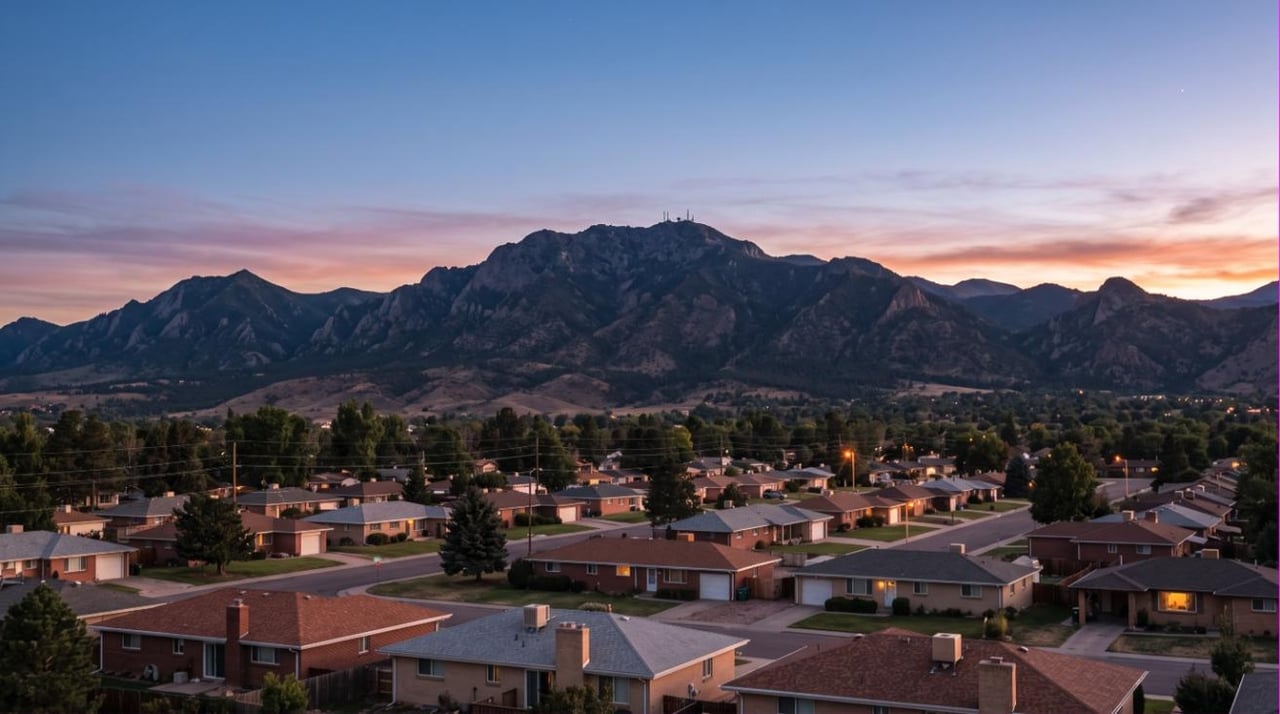
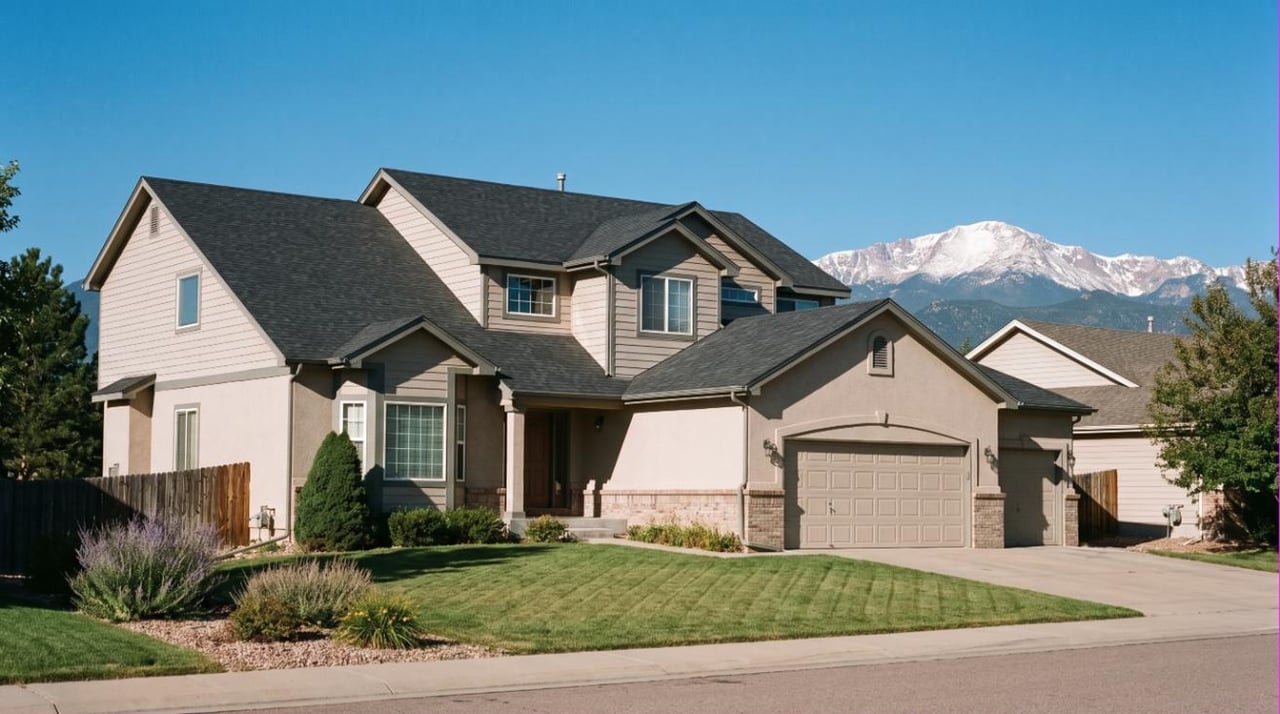
Stetson Hills is not one product. It's a large, mostly single-family neighborhood built in waves from the late 1990s through the 2000s, and homes in the 1,500 to 3,000 square foot range sit on lots that average a quarter acre. Some of those homes back directly to green space at Sandstone Park or Laura Gilpin Park, with private gated access into open space and a walking trail out the back gate. Others sit closer to Powers Boulevard or Stetson Hills Boulevard itself, positioned for the daily errand run rather than the evening dog walk.
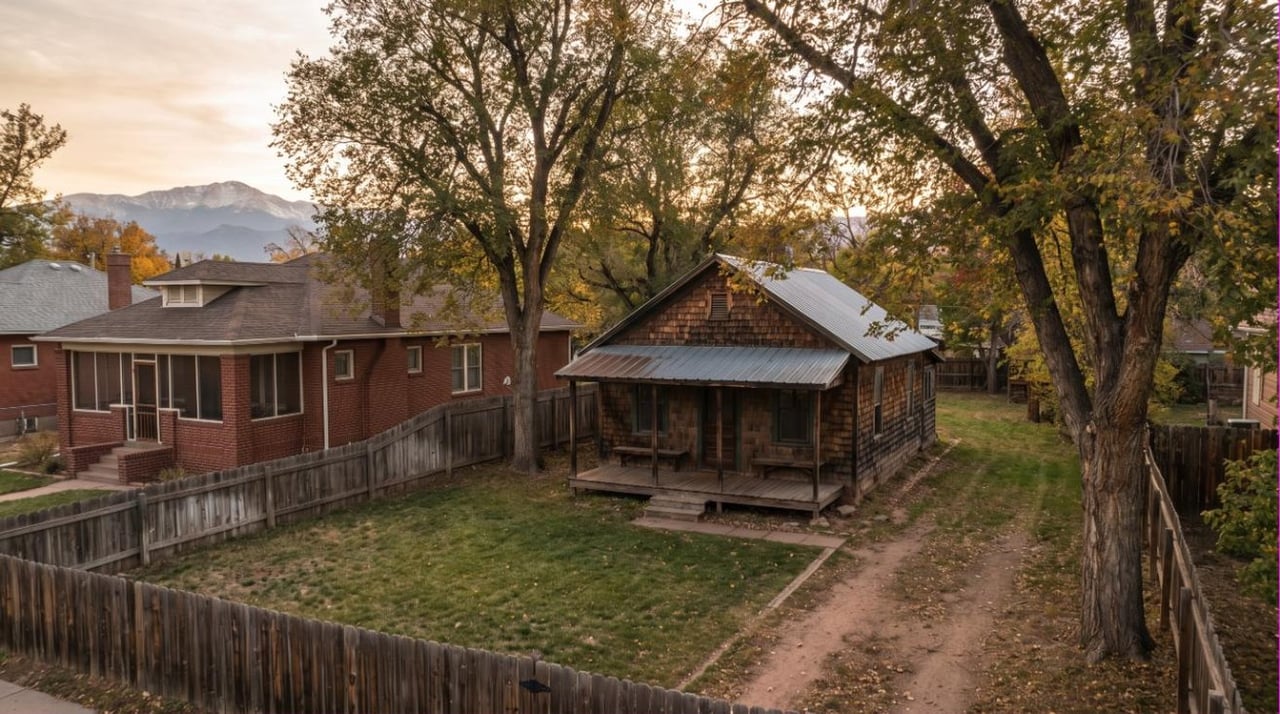
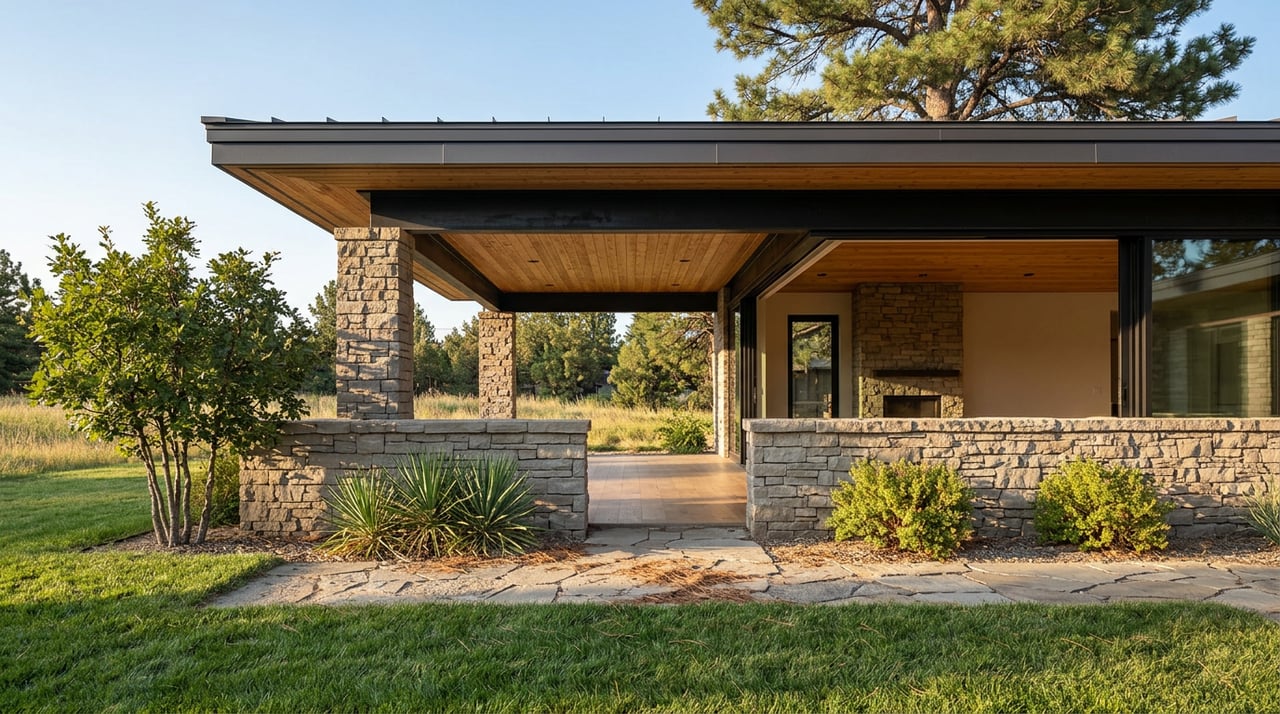
That's the split. A recently updated home with a private gate into open space, refinished cabinets, and a fireplace surround is competing in the same conversation as a 2001 build that's never had the roof replaced. One of those sells in three weeks with multiple offers. The other is still sitting at day 70 when the buyer finally makes a lowball. Average the two together and you get exactly the muddled trailing figure the portals report.
If you're shopping here, the question is not "how fast is Stetson Hills moving." It's "which half of Stetson Hills is this house actually in." Ask how long the specific listing has been active, not the neighborhood average. Ask whether it backs to open space or sits closer to the boulevard. Those two answers predict the outcome better than any 12-month rollup.
The Overpass Already Has a Second Address
In February 2026, the Colorado Department of Transportation opened a new overpass carrying Airport Road across Powers Boulevard, a $46 million project that local leaders had been anticipating for nearly a decade. The new interchange had already attracted a convenience store and a restaurant before the ribbon was even cut, with more expected to follow.
That project matters to Stetson Hills for one reason: CDOT is already planning where the grade separation goes next, and the answer is the Stetson Hills Boulevard intersection with Powers. That's not a neighboring corridor. That's the neighborhood's own main street.
This is the part the trailing 12-month price data can't see yet. An interchange upgrade at Stetson Hills Boulevard would mean fewer stoplights, faster north-south commute times to Peterson Space Force Base and Schriever Space Force Base, and one less bottleneck for the military families who make up a meaningful share of buyers here. None of that has happened yet. No construction date has been announced. But the same corridor that just got its overpass at Airport Road is the corridor Stetson Hills sits directly on, and infrastructure spending here has been moving north, not stopping.
The Corridor Filling In Around It
Retail investment is following the same direction. Just south along Powers Boulevard in neighboring Cimarron Hills, Chick-fil-A filed plans in February 2026 for a drive-thru-only restaurant inside the Powers Center at Palmer Park and Powers, a format the chain uses for high-traffic corridors rather than sit-down locations. It would join Short Stop Burgers, Pizza Hut, Monica's Taco Shop, and Dutch Bros Coffee already operating there.
That same stretch of Palmer Park Boulevard picked up VASA Fitness in a converted former Kmart in July 2024, and Lazy Susan's Cocktail Lounge opened there that October. None of this is happening inside Stetson Hills proper. It's happening on the same stretch of Powers Boulevard that Stetson Hills residents already drive for King Soopers, Sprouts, and Costco runs. A corridor that's adding fitness, dining, and quick service at this pace is a corridor developers believe still has room to grow, and Stetson Hills sits at its northern edge.
What to Actually Do With Both Numbers
If you're comparing neighborhoods this fall, don't average the two figures together and call it a day. Use them for what they're each good at.
The trailing 12-month number tells you the honest range of what's closed. Expect to see homes across Stetson Hills price from the low $400,000s into the $500,000s depending on condition, size, and whether the lot backs to a park. The live pending snapshot tells you what's happening to the specific type of home you want right now. If you're looking at a recently updated three or four bedroom near Stetson Park or Jared Jenson Park, treat the fast number as your reality and expect to compete. If you're looking at an untouched original from the early 2000s further from open space, the slower number is closer to what you'll experience, and there's more room to negotiate.
Sellers should draw the same distinction in reverse. A home that's been updated and sits near a park doesn't need to price to the trailing average. It should price to what's currently going pending in three to four weeks. A dated home needs a more honest conversation about what it will actually take to move it before winter.
Quick Answers
Is Stetson Hills still more affordable than newer communities farther north? Generally yes, and the age of the housing stock is the reason. Homes here were largely built between the late 1990s and the 2000s, which puts most of them below the price point of new construction going up in newer sections of the Falcon corridor.
Will the planned overpass at Stetson Hills Boulevard cause construction disruption soon? Not immediately. CDOT has named the Stetson Hills Boulevard intersection as the next planned grade separation along the Powers corridor, but no construction start date has been announced. The Airport Road project took roughly a decade from initial planning to ribbon cutting, so this is still in an early stage.
If you're trying to figure out which Stetson Hills you're actually looking at, the fast-moving half or the slow one, that's exactly the kind of block-by-block read a trailing average can't give you. The Behr and Behr Team pulls current pending activity for the specific streets you're considering, not the neighborhood-wide rollup, so you know what you're actually competing against before you write an offer or price a listing. Request a Free Home Valuation and get the real number for your address, not the average one.