I'm Leah Behr, a REALTOR® with the Behr & Behr Team in Colorado Springs, and the Old North End is the closest thing Colorado Springs has to a historic district with real depth. It also comes with the maintenance realities that go along with houses of that age.
Wondering if Old North End is the right fit for your next home? It is one of Colorado Springs’ most recognizable historic neighborhoods, and that charm can be a major draw, but it also comes with a different set of buying considerations than a newer subdivision. If you are thinking about buying here, this post will help you understand the neighborhood’s character, housing styles, preservation rules, and practical tradeoffs so you can move forward with confidence.
Old North End at a Glance
Old North End is a historic residential district in Colorado Springs, about one mile north of the downtown core. Its west edge follows Monument Valley Park, and its south boundary borders Colorado College. The district covers about 392 acres and is widely noted for having one of the city’s most intact collections of historic residential architecture.
As you drive or walk through the area, you will notice broad north-south avenues, narrower east-west streets, mature trees, landscaped medians, and uniform setbacks. Rear alleys are also part of the historic layout, which means many homes use detached rear garages or carriage-house-style parking instead of front-drive garages. That layout is part of the neighborhood’s appeal, but it can feel very different from what you may expect in more recently built areas.
What Makes Old North End Unique
Old North End stands out because of its setting and streetscape. The combination of historic homes, established landscaping, and proximity to central Colorado Springs creates a distinctly urban-historic feel that is hard to replicate elsewhere in the city.
A major part of that appeal is Monument Valley Park along the neighborhood’s west side. The park spans 153.4 acres and includes walking and biking paths, sports fields, courts, trails, and multiple access points. If outdoor access matters to you, this is one of the neighborhood features worth paying close attention to.
Homes and Architecture You Will See
If you are shopping in Old North End, variety is part of the experience. The district includes homes from the late Victorian era through the mid-20th century, plus some post-World War II homes and scattered infill in certain blocks.
Architectural styles represented in the district include:
- Italianate
- Queen Anne
- Shingle
- Colonial Revival
- Tudor Revival
- French Renaissance
- Classical Revival
- Italian Renaissance
- Mission and Spanish Colonial Revival
- Craftsman
- Prairie School
- Minimal Traditional
- Ranch
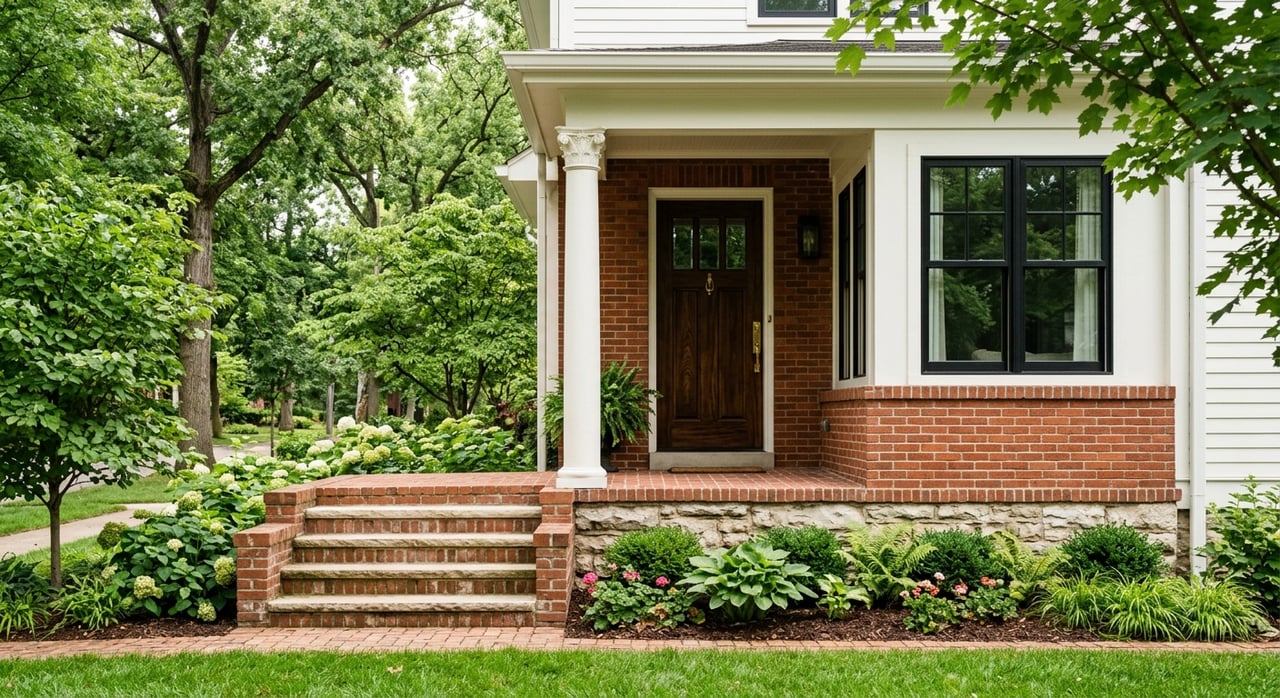
That range means two homes on the same street can feel very different. You may see large front porches, decorative wood detailing, irregular rooflines, dormers, elaborate entryways, stained or leaded-glass windows, and in some homes, sleeping porches. These are details many buyers love, but they are also features that deserve close attention during inspections and repair planning.
Lot Sizes and Layouts Can Vary
Old North End does not offer a one-size-fits-all housing pattern. Estates and mansions may sit on lots ranging from about a quarter acre to 1.5 acres, sometimes with multiple outbuildings. Grand homes commonly have around 9,000-square-foot lots, while cottages and bungalows are often on small to medium lots up to 9,000 square feet.
Setbacks can vary too. On north-south avenues, setbacks are often around 25 feet, while homes on east-west streets may sit closer to the street with setbacks of roughly 5 to 10 feet. If your priorities include a certain yard size, privacy setup, or garage arrangement, it is smart to compare block-by-block rather than assume every property will offer a similar layout.
Historic Rules Matter Before You Buy
One of the most important things to understand before buying in Old North End is that the neighborhood sits in a Historic Preservation Overlay zone. In practical terms, that means exterior modifications, new construction, demolition, and even some reroofing work are reviewed by the City of Colorado Springs under the North End Historic District Design Standards.
That does not mean you cannot update a home. It does mean you should verify what kind of work is allowed, what approvals may be required, and how your plans line up with the district standards before you close. If you are buying with renovation in mind, this step is essential.
It is also important to know that National Register or State Register listing does not automatically freeze a property exactly as it is. History Colorado notes that listed properties may still be altered or demolished within existing local building regulations. For buyers, the key takeaway is simple: confirm the home’s local status and review requirements for any planned changes before making final decisions.
Inspections Deserve Extra Attention
Older homes can be wonderful to live in, but they often need a deeper level of due diligence. In Old North End, inspections are not just a box to check. They are one of the best ways to understand the true condition of the home you are considering.
A strong inspection strategy here should include close review of:
- Roof
- Gutters
- Masonry or stone foundation
- Porch structure
- Windows
- Electrical panel and wiring
- Plumbing
- Sewer line
- Drainage
- Prior replacements or updates that may have changed original materials
Because many homes in neighborhoods of this era were built long before modern building practices, health and safety testing can matter too. Homes built before 1978 are more likely to have lead-based paint, and Colorado’s public health department says radon is common across the state, with about half of Colorado homes testing above the EPA action level. Those are not reasons to avoid the area, but they are good reasons to plan your inspection process carefully.
Expect Tradeoffs Along With Character
Buying in Old North End often means choosing charm, location, and architectural detail over some of the conveniences of newer construction. That tradeoff is part of what draws many buyers here, but it is still worth thinking through in advance.
For example, floor plans can be smaller or more segmented than in modern homes. Parking may depend on rear alleys and detached garages. Ongoing maintenance is also a normal part of owning a property from this era, especially if the home has original materials or older systems.
If you love historic character, these tradeoffs may feel well worth it. If your must-have list includes oversized closets, open-concept living, or attached three-car garages, you may need to be flexible or prepared for a longer search.
Not Every Home Is the Same
A common misconception is that every home in Old North End is fully historic in the same way. That is not the case. The district includes later infill, post-World War II homes, and some noncontributing buildings that differ in age or have been altered over time.
That can actually be helpful for buyers. Depending on your goals, you may find a property with more historic detail and preservation sensitivity, or you may find a home with a different era of construction that offers another balance of character and practicality. The right fit depends on what matters most to you.
Renovation Upside to Ask About
If you are considering a substantial rehabilitation project, there may be potential upside beyond the finished home itself. Some properties may qualify for state tax credits or grants if the building and project meet the required designation and approval rules.
This is very project-specific, so it should never be assumed. Still, if you are looking at a home that needs meaningful work, it is a smart question to raise early in your due diligence process.
How to Buy Smart in Old North End
Buying well in Old North End usually comes down to preparation. The more clearly you understand the neighborhood’s character, approval process, and maintenance profile, the easier it becomes to spot the right opportunity.
A practical approach is to focus on a few key questions:
- Does the home’s layout fit how you actually live?
- How does parking work on this specific property?
- What exterior changes, if any, do you hope to make?
- Has the home had major systems updated?
- What inspection items deserve added attention because of age or materials?
- Is the home contributing, noncontributing, or otherwise subject to local historic review considerations?
These questions can help you compare homes more thoughtfully and avoid surprises after closing.
If Old North End is on your shortlist, the best next step is to view homes with both character and due diligence in mind. A knowledgeable local perspective can help you weigh charm, condition, and future plans so you can buy with confidence. When you are ready, connect with the Behr and Behr Team for trusted guidance on Old North End and other Colorado Springs neighborhoods.
FAQs
What should you know about historic rules in Old North End before buying?
- Old North End is in a Historic Preservation Overlay zone, so exterior changes, new construction, demolition, and some reroofing work are reviewed by the City of Colorado Springs under local design standards.
What types of homes are found in Old North End Colorado Springs?
- The neighborhood includes late-Victorian through mid-20th-century homes in styles such as Queen Anne, Colonial Revival, Tudor Revival, Craftsman, Prairie School, Minimal Traditional, and Ranch, along with some post-World War II homes and infill.
What inspection items matter most when buying an Old North End home?
- Buyers should pay close attention to the roof, gutters, foundation, porch structure, windows, electrical, plumbing, sewer line, drainage, and signs of prior replacements or material changes.
What is the parking setup like in Old North End?
- Many homes rely on rear alleys, detached garages, rear garages, or carriage-house-style parking rather than front-drive garage layouts.
How close is Old North End to downtown Colorado Springs?
- Old North End is about one mile north of the downtown core.
What park is next to Old North End in Colorado Springs?
- Monument Valley Park forms the neighborhood’s west edge and offers walking and biking paths, sports fields, courts, trails, and access points near the north end of the park.
Leah Behr is a licensed REALTOR® with the Behr & Behr Team in Colorado Springs. She sells historic homes in the Old North End and Patty Jewett and knows which inspection line items on a 1910 house are worth negotiating. Get in touch with our team.